
Varicose Veins & Spider Veins Management
About
At Keysborough Medical Centre, we provide comprehensive assessment and treatment for varicose veins and spider veins. Our goal is to deliver evidence-based, personalised care for patients with venous disease, using the latest assessment techniques and minimally invasive treatment options.
Dr. Manjunath Nadiger
MBBS, MPH, FRACGP
Dr. Manjunath Nadiger has over 18 years of medical experience in Australia and has been providing specialised assessment and treatment of venous disease for more than five years. He is an associate of the Australasian College of Phlebology and is committed to delivering high-quality, patient-centred care.
What Are Varicose Veins?
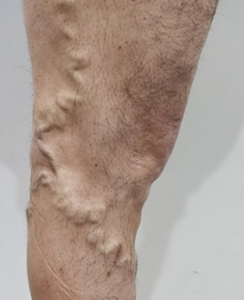
Varicose veins are enlarged, swollen veins that most commonly develop in the legs, although they can occur elsewhere on the body. They affect both men and women but are more common in women.
Risk factors include:
- Family history
- Pregnancy
- Increasing age
- Obesity
- Occupations requiring prolonged standing
Symptoms may include:
- Aching or heavy legs
- Pain or discomfort
- Swelling
- Throbbing
- Fatigue after prolonged standing or walking
Some people may have no symptoms and seek treatment for cosmetic reasons.
Frequently Asked Questions
What causes varicose veins?
The exact cause is not always known. However, weakened vein valves allow blood to pool within the veins, causing them to enlarge. Genetics play an important role, and the condition is more common in people with a family history of varicose veins. Pregnancy, ageing, obesity and occupations involving prolonged standing also increase the risk.
What are spider veins?
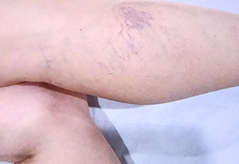
Spider veins are very small, superficial blood vessels that appear close to the surface of the skin. They are commonly seen on the legs and thighs but can occur on other parts of the body. Although generally harmless, some people choose to have them treated for cosmetic or symptomatic reasons.
How are varicose veins treated?
Your initial consultation includes:
- A detailed medical history
- Clinical examination
- Duplex ultrasound assessment of your veins
Following assessment, the most appropriate treatment options will be discussed.
Treatment may include:
Sclerotherapy
Sclerotherapy involves injecting a specialised solution into smaller varicose veins or spider veins using a very fine needle. The treated veins gradually collapse and are naturally absorbed by the body.
Ultrasound-Guided Sclerotherapy (UGS)
For deeper or larger veins, ultrasound guidance allows precise injection of the treatment solution, improving safety and effectiveness.
Endovenous Laser Ablation (EVLA)
Larger varicose veins may be treated using Endovenous Laser Ablation (EVLA). This minimally invasive procedure uses laser energy delivered through a small catheter to seal the affected vein.
Following treatment, compression stockings are an important part of recovery. Your doctor will discuss how long they should be worn and provide detailed aftercare instructions.
What are the risks and side effects of sclerotherapy?
Sclerotherapy is generally a safe procedure.
Possible side effects include:
- Bruising
- Mild pain or discomfort
- Temporary swelling
- Localised allergic reactions
- Small collections of trapped blood (haematoma)
- Temporary skin pigmentation
- Development of new fine veins (matting), which may resolve naturally or be treated if required
Rare complications include:
- Skin ulceration
- Deep vein thrombosis (DVT)
- Pulmonary embolism
Your doctor will discuss the benefits and potential risks before treatment.
What happens during my first consultation?
Your initial consultation includes:
- Review of your medical history
- Clinical examination
- Duplex ultrasound scan
- Discussion of the ultrasound findings
- Individualised treatment recommendations
The initial consultation is currently bulk billed.
How much does treatment cost?
Treatment costs vary depending on the severity of your condition and the type of procedure required.
No procedures are performed during the initial consultation. Once your assessment is complete, your doctor will explain the recommended treatment options, associated costs, and answer any questions, allowing you time to make an informed decision.

Book an Appointment
For more information or to arrange an appointment, please contact our friendly reception team on (03) 9769 0023.